


Category: Politics
Mayor Zohran Mamdani has ordered a comprehensive review of NYPD use-of-force policies, the first such examination in roughly a decade, as his administration moves to strengthen independent oversight and address a disciplinary case that ended when an officer retired before trial.
The October announcement follows public outcry over the 2024 fatal shooting of Win Rozario, a 19-year-old Queens resident who was experiencing a mental-health crisis. One of the officers involved, Salvatore Alongi, retired before facing an NYPD disciplinary trial. The case has sharpened a central question in New York politics: how can the city ensure that serious misconduct allegations receive a full review, even when an officer leaves the department?
Mamdani’s package pairs a broad policy examination with an additional $2.6 million for the NYPD Office of the Inspector General and new procedures intended to keep pending misconduct cases from ending without resolution when officers retire. Together, the steps aim to address not only what force rules say, but also how the department applies them and how accountability continues after an officer separates from service.
A department-wide review, not a single-case inquiry
The review is intended to examine NYPD use-of-force policies, practices and training. Its significance lies in its scope: rather than focusing on one incident, it gives the administration an opportunity to assess whether existing rules are clear, consistently applied and supported by appropriate training and oversight.
That work could put several issues under scrutiny, including de-escalation, encounters involving people in crisis, force reporting and the way incidents are reviewed afterward. These are areas where policy language must translate into decisions officers make on the street, and into records that investigators can assess later.

A useful review will need more than revised wording. It will have to consider whether officers understand the rules, whether supervisors identify and address patterns, and whether records give reviewers a reliable picture of what happened. Public and community engagement can also help the administration identify concerns that internal assessments may overlook.
The NYPD already has reporting and training procedures covering the use of force. The review’s value will therefore depend on what it finds about how those mechanisms work in practice, and whether the city publishes clear recommendations, timelines and progress updates.
The Rozario case raises questions about discipline after retirement
The case of Win Rozario has become a test of that accountability system. In 2025, the Civilian Complaint Review Board substantiated eight misconduct charges against Alongi and fellow officer Matthew Cianfrocco. The findings concerned departmental discipline; they were separate from the question of whether criminal charges would be brought.
Alongi retired in May 2026 before his disciplinary trial could proceed. The board did not get an opportunity to present its case at that trial. The NYPD said a failure to flag the retirement application prevented the board from seeking an expedited hearing, and the department described the lapse as human error. The second officer’s disciplinary case remained active.
The distinction matters. A retirement decision is not a finding that misconduct occurred, just as a substantiated disciplinary charge is not the same as a criminal conviction. But when a case ends before a disciplinary process can reach a conclusion, families and the public may be left without a clear account of what the department believes happened and whether its rules were violated.
Mamdani’s proposed procedures aim to close that gap. They would require closer attention to retirement applications involving officers with serious pending disciplinary matters, efforts to complete proceedings where possible, and referrals to state authorities for possible decertification in appropriate cases. Decertification can affect whether an officer is eligible to serve in another New York police agency.
The measures are designed to prevent a pending case from simply disappearing when an officer retires. Their practical effect will depend on how the department implements them, what legal and procedural limits apply, and whether the public can track the outcome of cases that continue after separation.
More resources for independent oversight
The administration is also adding $2.6 million to the budget of the NYPD Office of the Inspector General, an independent oversight office within the Department of Investigation. The funding is intended to expand the office’s capacity to examine department policies and practices and make recommendations.
The inspector general does not replace the NYPD’s internal disciplinary system or the Civilian Complaint Review Board. Its role is broader: to investigate and assess how the department operates, identify systemic problems and recommend changes. Additional resources could help the office take on more work, but the funding will matter most if it produces timely investigations, public findings and sustained follow-up.
The office’s existing record underscores why follow-through is important. Its 2026 annual report reviewed 275 recommendations issued to the NYPD since 2015. The report said 159 had been fully implemented, while 47 had been rejected. That mix shows both that oversight recommendations can lead to changes and that acceptance is not guaranteed.
The inspector general’s published reports provide a public record of the office’s findings and the department’s responses. For residents following this New York breaking news, that record can help distinguish announcements from reforms that have been carried out.
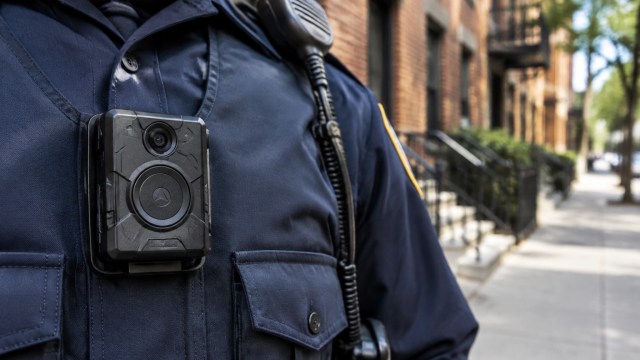
The city has also formalized a 30-day release standard for body-worn camera footage in certain critical incidents, including cases involving an officer’s firearm discharge that strikes a member of the public, or force resulting in serious injury or death. That policy addresses timely access to footage; the new review and inspector-general funding address wider questions about force policy and institutional accountability.
Police union criticism highlights a competing concern
The Patrolmen’s Benevolent Association has criticized the review, arguing that a reassessment of NYPD force policy should be accompanied by a review of the Civilian Complaint Review Board’s handling of cases. The union has accused the board of applying force standards unfairly and argued that the administration’s announcement would not make New Yorkers safer.
That response reflects a longstanding disagreement over police oversight: how to ensure civilian complaints receive serious consideration while also providing officers with clear, consistent procedures and a fair disciplinary process. A comprehensive review can address questions about standards and training, but it will not resolve those disputes unless its methods and findings are transparent.
For supporters of stronger accountability, the Rozario case illustrates why procedures must account for the possibility that an officer may retire before a disciplinary trial. They will be looking for safeguards that preserve a case’s record and make its disposition clear, as well as independent scrutiny that can assess whether department-wide changes are working.

What the review could mean for New Yorkers
The review creates an opening to connect three parts of police accountability: the rules officers are expected to follow, the systems that review alleged violations, and the independent oversight that tests whether policies work as intended. The retirement procedures target a gap in the disciplinary process; the additional inspector-general funding is intended to strengthen outside review.
The announcement itself does not establish that force will decline or that future investigations will conclude faster. Those outcomes will depend on the review’s recommendations, NYPD’s response and the city’s willingness to report progress publicly.
The most consequential measures will be the ones New Yorkers can evaluate: clear policy changes, adequate training, complete records, disciplinary cases that reach an explained conclusion, and inspector-general recommendations that receive documented responses. The administration has set those accountability questions at the center of its first comprehensive NYPD use-of-force review in a decade.
Follow local coverage in the New York News Daily News section or visit New York News Daily.