

Category: Politics
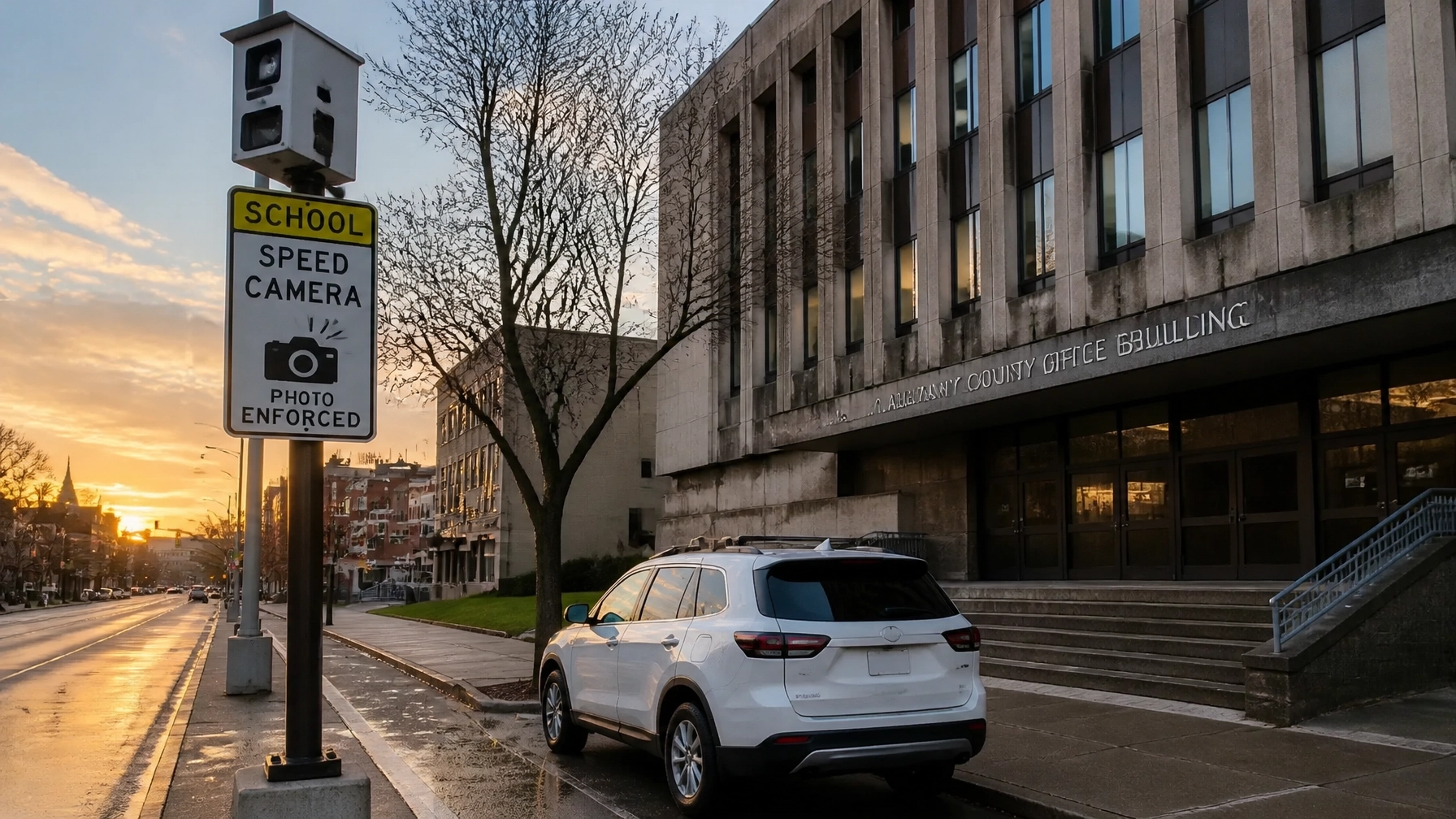
Albany County Executive Dan McCoy says the county will pay school-zone speeding tickets connected to county employees’ vehicles, ending a dispute with the City of Albany that escalated over competing settlement amounts and questions about due process.
The decision closes a high-profile chapter in an Albany government fight that began with dozens of automated speed-camera citations issued to county-owned vehicles and grew into a disagreement over how the City of Albany handled the tickets, whether the county received equal treatment in settlement talks and who should ultimately bear the cost.
For residents following Albany NY news, the dispute also raised broader questions about municipal accountability, automated enforcement and the obligations of public agencies when government-owned vehicles violate traffic rules.
County agrees to cover the city’s outstanding tickets
Under the agreement described in September reporting, Albany County will pay the City of Albany for the school-zone speeding tickets linked to county vehicles.
The county’s responsibility stems from a basic feature of automated enforcement: The citation is issued to the registered owner of the vehicle rather than directly to the person who was driving. Because the vehicles belonged to Albany County, city officials treated the county as responsible for the fines and related penalties.
County officials have also maintained that employees who were driving the vehicles remain responsible for reimbursing the county. That distinction means the county will handle the payment to the city, while the drivers may still face an internal obligation to repay public funds connected to their individual violations.
The arrangement allows the city to recover the money it says it was owed and gives the county a path to resolve the matter without leaving the tickets in prolonged litigation.

Dispute involved 98 citations and more than $7,000
The underlying case involved 98 school-zone speed-camera tickets issued to Albany County-owned vehicles between January and September 2025, according to September reporting on the dispute.
The total amount in dispute was reported at roughly $7,300 to $7,375, depending on the calculation of fines, late penalties and other charges. Ten of the citations had been sent to collections, while others remained pending or had been determined liable after an appeal.
The violations occurred in school zones across Albany. The city’s cameras generally captured vehicles traveling at least 11 mph over a posted 20 mph limit, based on figures referenced in coverage of the case.
One of the most serious examples involved a county-owned 2018 Ford Fusion recorded traveling 45 mph near KIPP Tech Valley Primary School on Northern Boulevard. The vehicle was captured during the afternoon, and the related citation later entered collections after the payment deadline passed.
The citations did not involve a single department or a single employee. They were connected to vehicles used by county agencies and operations, creating a fleet-management issue as well as a political dispute between Albany’s city and county governments.
Why the county initially resisted the full amount
The county did not initially accept the city’s demand for the full balance.
County officials argued that Albany’s Parking Violations Bureau had a general practice for dealing with organizations that accumulated large numbers of camera tickets. Under the practice described by county representatives, one out of every four tickets could be dismissed, while the vehicle owner would pay $50 for each of the remaining citations.
Albany County officials said that standard should apply to its fleet as it had to other large vehicle owners. They also argued that the city treated the county differently by refusing to apply the same reduction after the tickets became overdue.
City Treasurer Darius Shahinfar disputed that interpretation. He said the city had offered to resolve the matter for $5,000, but the county did not accept the offer. County officials, meanwhile, authorized a payment of approximately $3,675 and believed that amount reflected a negotiated resolution.
The city returned the check, saying it did not represent an agreed settlement. That left the two sides separated by approximately $1,325 while the broader dispute continued.
The disagreement centered on whether the county believed it had reached a verbal agreement and whether city officials later changed the terms after county officials attempted to pay.

McCoy raised constitutional concerns
McCoy criticized the city’s handling of the citations and argued that the county had not received a fair opportunity to contest the tickets.
McCoy said the county and city had negotiated under what county officials considered the Parking Violations Bureau’s usual approach. He argued that returning the county’s check and demanding a different amount created an inconsistent standard.
McCoy also questioned whether the enforcement system provided adequate clarity about when the cameras were active. Albany’s school-zone camera rules involve operating hours connected to school activity, and the county argued that schedules can vary by school, calendar and after-school programming.
The county’s position was that drivers and vehicle owners should not face penalties through a system whose operating times may be difficult to determine. McCoy further argued that the inability to contest certain outstanding tickets raised due-process concerns under the Constitution.
City officials rejected the county’s argument and said the county had missed opportunities to respond to the citations. The city’s position was that the tickets remained valid and that the county could not avoid payment after failing to address them within the required deadlines.
The dispute moved toward a state court challenge before the new payment agreement was reached. That legal escalation made the matter more significant than a routine municipal collections disagreement, placing Albany’s automated enforcement procedures and intergovernmental negotiations under public scrutiny.
What the settlement means for county employees
The agreement does not necessarily erase the employees’ responsibility for the citations.
County Comptroller Susan Rizzo said the county was responsible for paying because it owned the vehicles, but employees were expected to reimburse the county for tickets connected to their driving. That policy separates the government’s legal responsibility as a vehicle owner from the employee’s workplace responsibility for operating the vehicle.
The distinction could become important in future cases involving public fleets. Government agencies commonly maintain vehicles used by departments such as public works, social services, public safety and administrative operations. If those vehicles receive automated tickets, agencies must determine who was driving, whether the ticket was handled on time and whether the cost should be recovered from the employee.
The Albany case also highlights the administrative risks of delayed responses. Tickets that are not answered can accrue additional charges, enter collections and become more difficult to resolve through ordinary administrative channels.
For taxpayers, the county’s payment creates a straightforward public-accountability question: whether the money will ultimately be recovered from the employees responsible for the violations or remain a public expense.
Broader implications for Albany’s camera program
Albany’s school-zone camera program was designed to discourage dangerous driving near schools, where speeding creates heightened risks for students, families and staff.
The program sits within Albany’s broader traffic-safety effort to use enforcement and street-design strategies to reduce crashes and dangerous driving.
The county-city dispute did not challenge the basic safety goal of slowing traffic near schools. Instead, it focused on the enforcement process, the treatment of large fleets, late penalties and the ability of vehicle owners to contest citations.
Those questions extend beyond Albany County. Public agencies, private businesses and individual drivers all face automated citations when vehicles are registered in their names. A court ruling or negotiated settlement involving a major government fleet could influence how other organizations approach similar tickets, particularly when multiple citations accumulate over time.
The case also demonstrates how a relatively modest financial dispute can become a significant political issue when it involves two levels of local government. The original difference between the county’s proposed payment and the city’s settlement demand was roughly $1,325, but the disagreement touched on fairness, constitutional rights, public money and the credibility of Albany’s enforcement system.
A resolution after months of contention
McCoy’s decision to have Albany County pay the tickets brings the dispute toward a practical conclusion.
The city is positioned to recover the money associated with the citations, while the county can close a legal and administrative matter that had produced criticism from city officials and generated questions about county fleet oversight. Employees connected to the tickets may still be required to reimburse the county, preserving the principle that public funds should not automatically absorb individual driving violations.
For Upstate New York news audiences, the case offers a detailed look at how local governments negotiate when public vehicles trigger automated enforcement. For followers of New York politics, it also shows how a dispute between city and county officials can quickly become a test of transparency, procedural fairness and institutional accountability.
McCoy’s stated resolution ends the immediate fight over payment, but the policy questions remain: how public fleets should be monitored, how employees should be held responsible and how school-zone cameras should operate in a way that is clear, consistent and enforceable.