

Category: Business
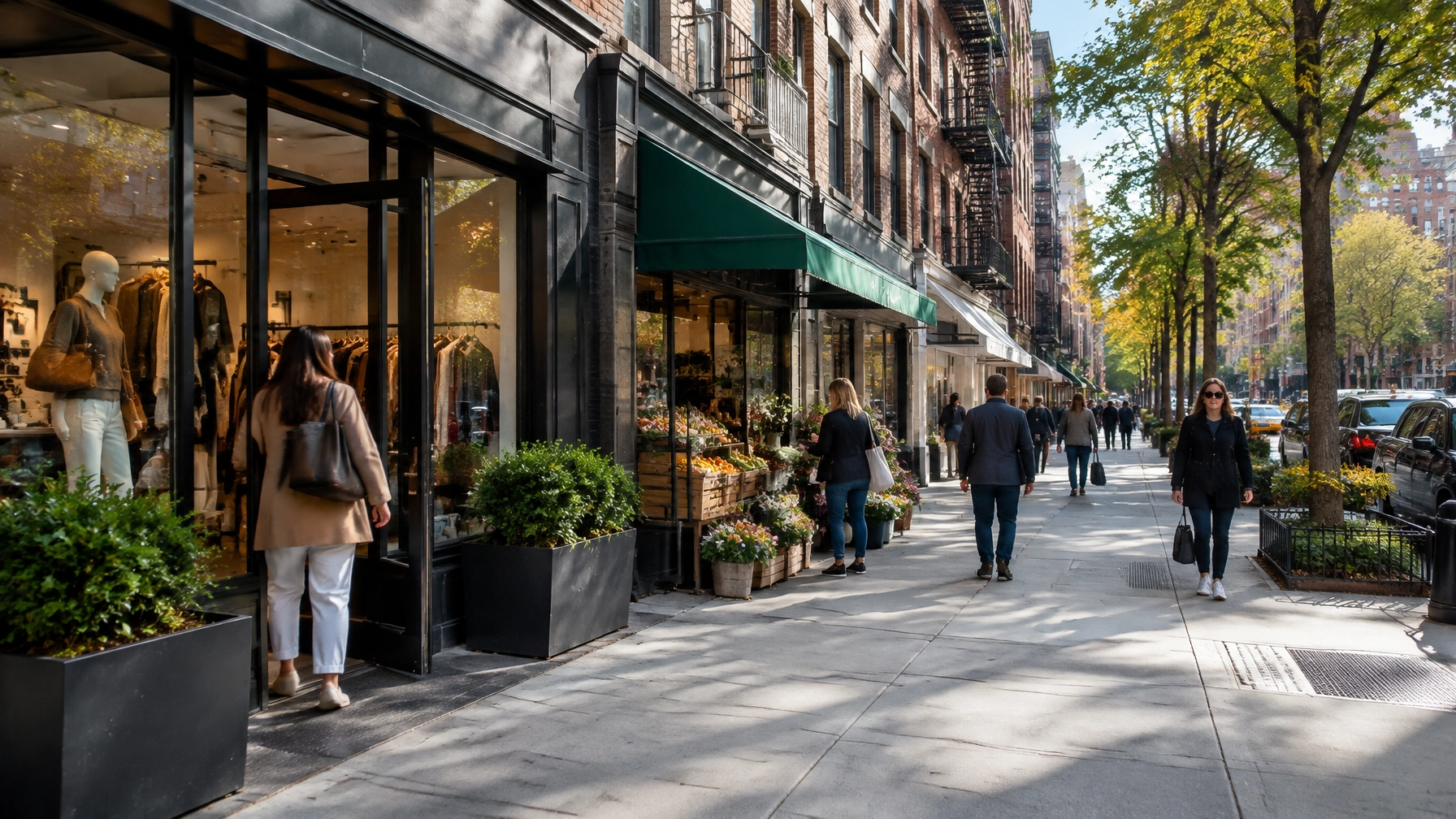
Upper Manhattan’s neighborhood shopping districts led Manhattan in retail leasing during the third quarter of 2026, with the Upper East Side and Upper West Side drawing a mix of national chains, grocery operators and fitness businesses even as leasing across the broader market cooled.
The result marks a shift in where retailers are finding room to grow. Prime shopping corridors remain powerful draws, but residential neighborhoods with established customer bases are attracting substantial deals of their own. The distinction matters: Upper Manhattan led in the number and volume of neighborhood leases, not in the city’s highest rents or most prestigious storefront addresses.
Upper East Side and Upper West Side top the neighborhood tally
The Upper East Side recorded 15 retail leases totaling nearly 97,000 square feet in the quarter, the strongest neighborhood showing in the latest tally. The Upper West Side followed with 11 deals and more than 50,000 square feet, much of it along Broadway and Columbus Avenue.
Several of the largest transactions show the scale of the activity. T.J. Maxx leased 28,837 square feet at 150 East 86th Street, while grocery operator Happier Grocer took approximately 20,500 square feet nearby at 210 East 86th Street. Whole Foods signed for 9,100 square feet at 1524 Second Avenue, and fashion retailer Cotton On leased roughly 6,600 square feet at 1149 Third Avenue.
On the Upper West Side, Crunch Fitness signed a lease for approximately 28,100 square feet at 2192 Broadway, in a former Marshalls space. That deal alone represented a significant share of the neighborhood’s leased space during the quarter.
The figures point to a clear concentration in two parts of Manhattan. They do not mean that every neighborhood north of Midtown saw a leasing surge, or that Upper Manhattan surpassed every retail district across all five boroughs. Rather, they show that the Upper East Side and Upper West Side led Manhattan’s neighborhood-level leasing activity during the reported period.
Why retailers are looking north
These districts offer a combination retailers value: dense residential populations, regular local shopping trips and busy commercial avenues. Stores can serve customers who live nearby as well as workers, visitors and people traveling through the neighborhood. For businesses built around repeat visits, such as grocery stores and fitness studios, that steady local audience can be especially important.
The tenant mix reflects that logic. Apparel and discount retail, grocery, fitness and other service-oriented businesses each meet frequent, practical needs. These uses can draw customers throughout the week, rather than depending entirely on destination shopping or seasonal tourist traffic.
The Upper East Side leases also show how brands can use a neighborhood location to reach customers outside the city’s best-known luxury shopping streets. A retailer may still seek a high-profile flagship on a prime corridor, but a large neighborhood store can provide convenient access to a sizeable residential market. Grocery and fitness operators, meanwhile, depend on a different kind of visibility: being close to homes and familiar daily routes.

The Upper West Side deal points to another factor: available space. A large former store can suit a fitness operator that needs room for studios, equipment and support areas. Reusing an existing retail footprint may also give a landlord a way to bring a substantial vacant unit back into service.
The broader backdrop is more complicated than the neighborhood totals alone suggest. Manhattan’s rolling four-quarter leasing volume was reported at nearly 3.5 million square feet, down year over year. At the same time, the number of actively available ground-floor storefronts in tracked prime corridors declined from 170 to 151. Fewer spaces can limit the number of deals, even when retailers remain interested.
What the rent and availability numbers do, and do not, say
The Upper East Side’s average asking rent was reported at $259 per square foot in the third quarter. That is a useful indicator of landlord expectations, but it is not the same as the final rent paid in a signed lease. Asking prices can differ from negotiated terms, and the reported average does not reveal what every tenant agreed to pay.
Nor should a neighborhood average be confused with the cost of space on Manhattan’s most expensive retail streets. Prime corridors continue to command substantially higher asking rents and attract intense competition for a limited number of storefronts. The latest leasing activity suggests that Upper Manhattan is outperforming in neighborhood deal flow, not that it has become the borough’s most expensive retail market.
Availability is also uneven. A decline in prime-corridor storefronts can push some businesses to consider residential districts, while the space available in any single neighborhood depends on size, condition, location and lease terms. A block with several vacant storefronts can still be a poor fit for a retailer seeking a large floor plate; a single well-positioned unit may draw multiple interested tenants.
For readers tracking NYC real estate trends, the key signal is that demand is not confined to Manhattan’s traditional shopping destinations. Residential corridors are competing for retailers, but affordability and available space still vary sharply from one block and property to another.
What the leasing surge could mean for small businesses
More tenants can bring activity to a commercial strip. New stores and services may increase foot traffic, fill long-empty spaces and give residents more nearby choices. A grocery lease, a fitness studio or a large apparel store can also encourage complementary businesses to open or remain in the area.
But major leases do not automatically translate into better conditions for independent operators. Large national tenants may have greater resources to secure desirable sites, while rising landlord expectations can make it harder for smaller businesses to compete for the same storefronts. The quarter’s largest deals demonstrate demand; they do not establish that rents are affordable for local entrepreneurs.
Local outcomes will depend on the spaces available and the terms landlords offer. Smaller, appropriately configured storefronts can give independent food businesses, service providers and retailers an opportunity to serve neighborhood customers. If leasing demand leads owners to invest in building upgrades and bring vacant units back to market, it may widen the choices available to tenants. If expectations rise faster than small businesses’ ability to pay, the benefits could be more limited.
The tenant mix also matters. National brands can strengthen a shopping district’s profile, but neighborhood-serving businesses help preserve the variety residents rely on. A corridor’s vitality depends not just on how many leases are signed, but on whether businesses can open, remain viable and meet local needs.

What landlords should take from the numbers
For commercial landlords, the report signals that retailers see value in Upper Manhattan’s residential customer base and that larger spaces can attract operators with distinct needs. Owners may need to consider how a property’s size, layout and condition match potential uses, rather than assume every vacant unit will suit a conventional shop.
Landlords also face a balancing act. Strong interest can support leasing, but prolonged vacancies help neither owners nor street-level businesses. A well-matched tenant and a sustainable lease can contribute more to a property and its block than holding out indefinitely for the highest possible asking price. The competitive environment makes clear, accurate information about a storefront (its usable area, condition and permitted use) important to both parties.
For prospective tenants, the same conditions underline the value of preparation. A business considering a neighborhood lease needs to assess not only the asking rent but also its build-out costs, expected foot traffic and ability to sustain the location over time. Market momentum can create opportunity, but it does not remove the financial risks of opening a store.

A neighborhood-led signal, with limits
Upper East Side and Upper West Side leasing activity offers a strong indication that Manhattan retail demand is spreading beyond its most famous shopping corridors. Large apparel, grocery and fitness commitments show that operators see long-term value in neighborhoods where customers live and return regularly.
The trend is not a blanket boom across every northern Manhattan neighborhood, nor proof that rents have become broadly accessible. It is a focused sign of confidence in two established residential markets, unfolding alongside reduced storefront availability and a softer borough-wide leasing pace.
For New York real estate news, the important question now is whether the momentum produces a durable mix of businesses, not only headline-making leases. New storefronts can support commercial districts, but lasting gains will depend on whether national operators and local businesses alike can find space, negotiate workable terms and serve the communities around them.
Follow more Manhattan business news and coverage of the city’s changing commercial landscape at New York News Daily.