

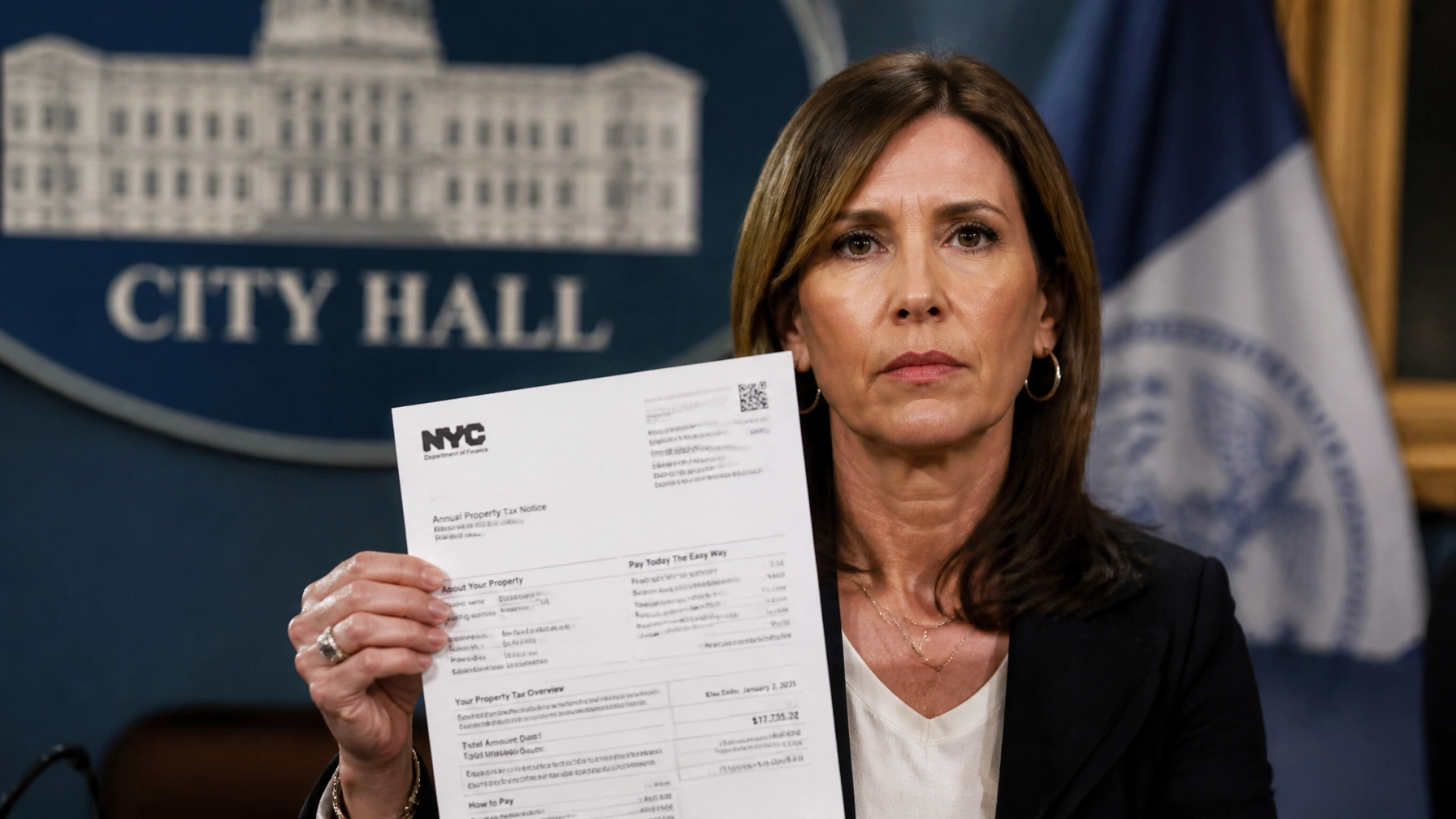
New York City Mayor Zohran Mamdani and the Department of Finance have enacted a four-week deadline extension for exemption applications tied to the city’s controversial non-primary residence property surcharge, responding directly to a wave of administrative confusion and intense public backlash. The new filing deadline is now set for September 18, 2026, granting a temporary reprieve to thousands of property owners who flooded municipal offices with inquiries following the rollout of the high-stakes luxury tax.
The administrative pivot follows the dispatch of approximately 17,000 warning notices stamped with the critical phrase “You may be subject to…” delivered by the Department of Finance. These notices triggered immediate anxiety across luxury residential corridors, sparking fierce debates among real estate attorneys, wealth managers, and property owners throughout Manhattan and beyond. For ongoing updates on municipal governance and policy shifts, readers can follow reports on New York News Daily.
The Anatomy of the Rollout: Confusion and 17,000 Warning Letters

The Department of Finance initiated the mailing campaign to notify individuals whose holdings appeared on preliminary tax rolls for the city's aggressive new non-primary residence surcharge. However, the sheer volume of letters: exceeding initial municipal estimates of 10,000 to 13,000 targeted properties: overwhelmed city helpline services and generated widespread panic among residents who claimed primary residency status in New York.
Department of Finance Commissioner Richard Lee subsequently clarified that only property owners who received the explicit notification letter containing the specific statutory warning are mandated to submit exemption documentation. Despite public listings identifying more than 31,000 properties under preliminary review, municipal authorities stressed that inclusion on a public roll does not automatically trigger taxation. Nevertheless, the ambiguity surrounding the notification process galvanized opposition groups and forced City Hall to recalibrate its enforcement timeline.
Targeting Luxury Second Homes: Thresholds and Valuations

The pied-à-terre surcharge targets high-end residential assets across the five boroughs, specifically focusing on second homes exceeding specific valuation thresholds. Under the legislative framework, the tax applies to one-to-three-family residential properties valued above $5 million, as well as cooperative apartments and condominiums utilized as second homes with market valuations exceeding $1 million.
Proponents of the legislation argue that the surcharge captures untapped municipal revenue from absentee luxury owners while preserving affordability for working-class residents. Conversely, critics contend that the broad valuation criteria ensnare regional business executives, retirees, and families who maintain secondary residences for professional convenience rather than speculative investment. The financial implications for luxury property holders are substantial, creating an urgent imperative for eligible owners to successfully navigate the exemption filing process before the revised September deadline.
Political Pressure Mounts: City Council Schedules August 18 Hearing

Political fallout from the rollout has intensified rapidly, prompting the New York City Council to schedule an oversight hearing for August 18, 2026. Lawmakers from both sides of the aisle intend to interrogate Department of Finance officials regarding database discrepancies, mailing errors, and the overall execution of the tax initiative.
Industry stakeholders and taxpayer advocacy coalitions plan to present testimony detailing administrative burdens and potential legal vulnerabilities in the city's implementation strategy. While municipal leadership defends the surcharge as an essential equity measure, the upcoming legislative session promises a rigorous examination of city agency preparedness and transparency.
Real Estate Industry Warnings: The Specter of a Florida Exodus

Prominent real estate brokerage executives, tax attorneys, and developers have issued dire warnings regarding the broader economic consequences of the pied-à-terre tax. Industry leaders argue that compounding property surcharges, combined with existing state and local tax burdens, accelerate an ongoing migration of ultra-high-net-worth individuals toward tax-friendly jurisdictions such as Florida, Texas, and Palm Beach.
Commercial and residential markets in Manhattan have experienced heightened sensitivity to legislative changes, with luxury condo absorption rates already reflecting buyer hesitation. Real estate analysts note that prolonged uncertainty surrounding secondary home taxation could permanently alter investment flows into New York real estate, impacting ancillary service providers, interior designers, high-end hospitality, and municipal tax revenues over the long term.
Navigating the Exemption Process: Critical Steps for Property Owners
Property owners who received the mandatory Department of Finance notification letter must act decisively before the September 18, 2026 deadline. To secure an exemption, applicants must provide comprehensive documentation establishing that the subject property serves as their primary residence: demonstrating factors such as voter registration, income tax filing addresses, utility usage, and driver's licenses.
Legal experts advise affected homeowners to engage qualified counsel or certified public accountants immediately to compile the necessary evidentiary record. Failure to submit compliant documentation risks substantial financial penalties and the imposition of the recurring annual surcharge. As the city approaches the critical September cutoff, all eyes remain focused on City Hall and the Department of Finance to ensure a transparent and orderly administrative resolution.