

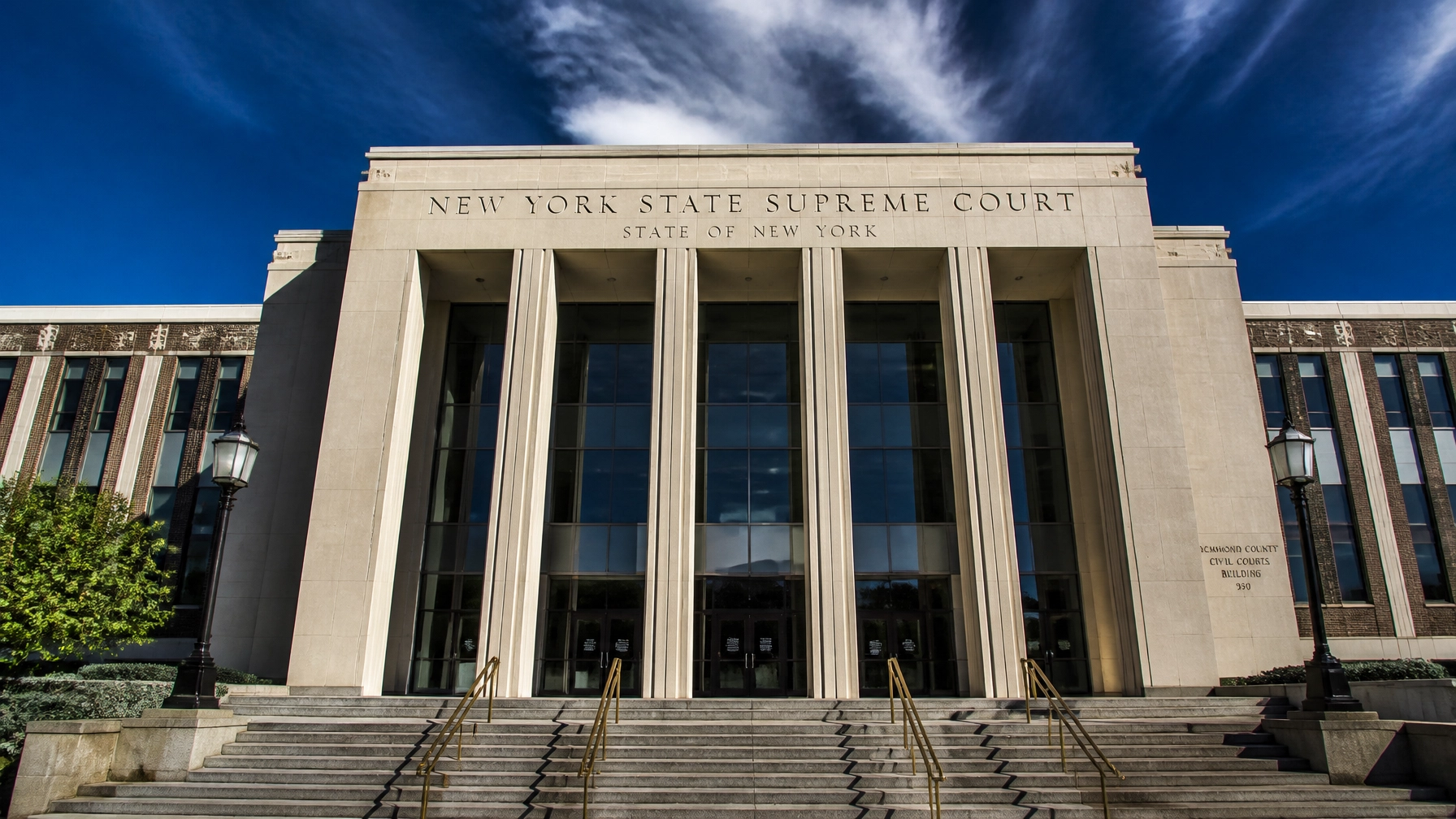
A coalition of New York City property owners launched a high-stakes legal offensive against the Rent Guidelines Board (RGB) on Wednesday, alleging that Mayor Zohran Mamdani orchestrated a "sham process" to secure a historic rent freeze.
The Article 78 lawsuit, filed July 22, 2026, in Staten Island Supreme Court, seeks to invalidate the board's recent 7–1 vote that froze rents for approximately 1 million rent-stabilized apartments. Represented by Randy Mastro, the former First Deputy Mayor and seasoned litigator, the plaintiffs contend the decision was a predetermined political maneuver designed to fulfill Mamdani’s campaign promises rather than an objective evaluation of economic data. This legal challenge marks a significant escalation in the ongoing tension between the city's executive leadership and the real estate industry, signaling a volatile period for New York politics and the broader housing market.
Allegations of a Preordained Outcome
The petitioners, including prominent ownership entities managed by Michael Fazio and Violet Zharku, argue that the RGB's independence was fundamentally compromised by direct mayoral interference. According to the court filing, the administration "packed" the board with loyalists, ensuring that six of the nine members were predisposed to support a 0% increase regardless of the financial evidence presented. The lawsuit cites a 5.3% spike in building operating costs over the past year as clear evidence that a freeze is financially unsustainable for many property owners.
"The process was not a deliberation; it was a coronation of a campaign pledge," stated a representative for the landlords. The filing highlights a series of procedural irregularities, including the reported presence of a mayoral staffer in the RGB "green room" during critical voting breaks, allegedly providing direct instructions to board members. These claims have sparked intense debate within New York breaking news circles, as legal experts weigh the merits of the "arbitrary and capricious" argument central to the case.

The Role of the Office of Mass Engagement
A central pillar of the lawsuit focuses on the Mamdani administration's newly formed Office of Mass Engagement. Landlords allege that the city utilized a $53 million budget to systematically canvas for tenant testimony, effectively flooding public hearings with hand-picked advocates to drown out the concerns of property owners. The suit characterizes this as an unlawful use of taxpayer funds to influence what is mandated to be an impartial regulatory body.
This strategic mobilization of tenant voices has been a hallmark of Mamdani’s first year in office, yet the legal challenge suggests that these efforts crossed the line from civic engagement to administrative overreach. The departure of a long-standing landlord representative, who resigned in protest during a public session, is cited in the lawsuit as further proof of a toxic and biased environment.
Economic Impact and Real Estate Trends
The 0% freeze applies to both one-year and two-year leases starting October 1, 2026, a first in the history of the Rent Guidelines Board. While tenant advocates hail the decision as a necessary reprieve amidst a cost-of-living crisis, industry analysts warn of long-term consequences for the city's housing stock. These NYC real estate trends suggest that a prolonged freeze may lead to deferred maintenance and a decrease in the quality of rent-stabilized housing as owners struggle to cover rising insurance and energy costs.
Industry leaders argue that the freeze ignores the "economic reality" of running multi-family residential buildings in a high-inflation environment. "You cannot freeze expenses, yet the city expects us to freeze revenue," remarked one property owner involved in the suit. The legal team led by Mastro is calling for the court to annul Order #58 and compel the RGB to reconvene for a new, data-driven determination.
Political Fallout and Future Outlook
Mayor Mamdani remains steadfast in his support of the board’s decision, with City Hall issuing a statement expressing full confidence that the RGB evaluated all relevant data fairly. The Law Department has indicated it is prepared to vigorously defend the freeze, asserting that the board acted within its legal authority to protect vulnerable New Yorkers from displacement.
The case is expected to move through the judicial system with urgency, as the October 1 implementation date looms. A judge has already ordered the city to present its defense by September, setting the stage for a dramatic courtroom showdown that could redefine the boundaries of mayoral influence over independent boards.

As the city watches the Staten Island Supreme Court, the outcome of this lawsuit will undoubtedly set a precedent for how rent adjustments are calculated in the future. For now, the 1 million households affected by the freeze remain in a state of flux, caught between a historic political victory and a powerful legal counter-strike.
For more updates on this story and other hyperlocal coverage, visit New York News Daily.