

Category: News
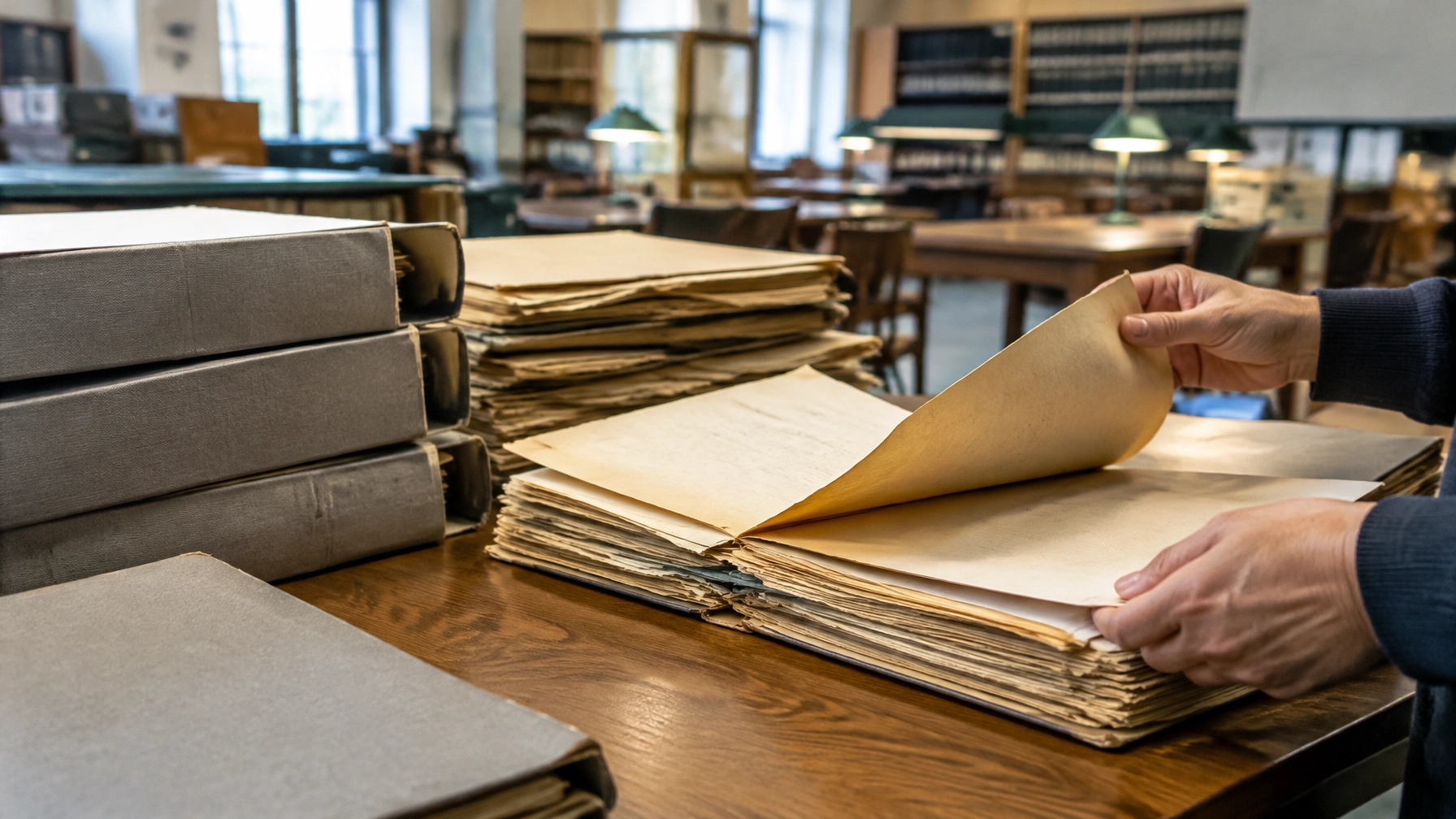
New York City released 40,000 additional records on Oct. 21 concerning air quality and health conditions after the Sept. 11, 2001, attacks, including evidence that asbestos was still being found near Ground Zero nearly 10 months later. The documents add to a public archive that now contains more than 200,000 pages and renew questions about official assurances that the air in the area was safe to breathe.
The release is the second made under a court agreement between the city and 9/11 Health Watch, an advocacy group that sought access to the records. The agreement followed a multi-year legal fight over documents about the city’s response to post-attack air-quality and health risks.
The records include communications between city agencies and their legal counsel. The Mamdani administration waived attorney-client privilege for the material, allowing the documents to be made public. Further releases are expected in the coming months.
What the new documents add
The newly released files show that health officials were still finding evidence of asbestos nearly 10 months after the attacks. That detail stands against repeated government assurances that the air around Ground Zero was safe to breathe.
The documents add to a larger record of the city’s post-attack decisions and communications. They do not, on their own, resolve every question about how risks were assessed or what information officials had at each point. But they offer a wider view of what agencies and their legal counsel were discussing as New Yorkers sought clear answers about exposure and health.

The release is part of a growing public archive, rather than a single report or final account. Its significance lies in the detail that can be examined across records and over time, including what officials knew, how risks were discussed, and how public assurances were shaped.
For residents and families affected by the attacks, those questions are not limited to a historical review. The documents concern decisions made in the months after Sept. 11 and the information available to people living, working and responding in Lower Manhattan.
A public archive expands
The city launched its September 11 Records Portal in September 2026 with about 170,000 pages. With the Oct. 21 release, the portal now holds more than 200,000 pages, including the long-discussed Harding Memo and records known as the “68 Boxes.”
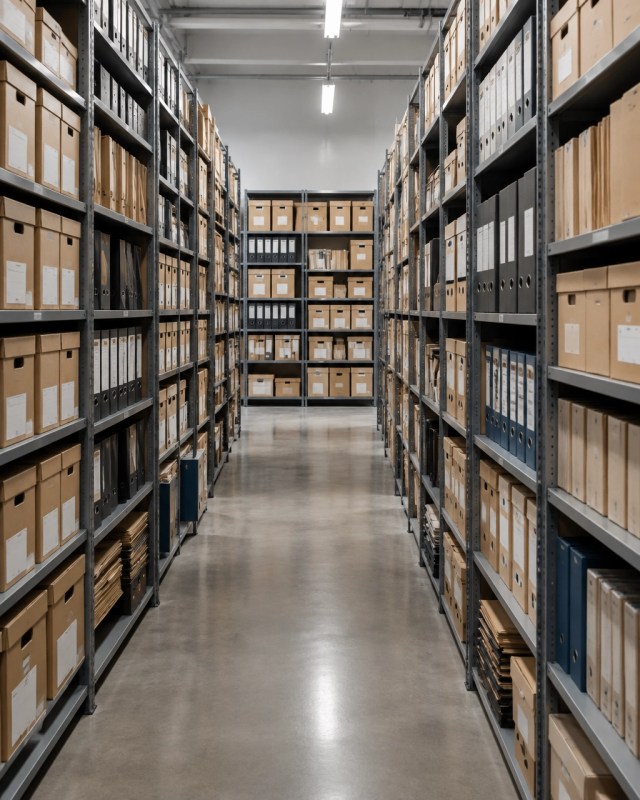
The Harding Memo and the “68 Boxes” have drawn attention as part of the longer effort to make city records about the attacks and their aftermath accessible. Their inclusion in the portal gives the public a central archive for material that had been sought by first responders, elected officials and families of people who developed 9/11-related illnesses.
Those groups pressed for access for more than 20 years. The release marks a significant expansion of the available record, though the city says additional documents are still to come.
The scale of the archive also matters for readers trying to understand a complex period through primary documents rather than isolated summaries. The pages cover communications among city agencies and counsel on air quality and health risks, bringing administrative and legal discussions into the public record.
Settlement and city commitment
The records are being released under a settlement with 9/11 Health Watch, resolving a multi-year legal dispute over access. The Oct. 21 release is the second installment under that agreement, following the portal’s September launch.
Mayor Zohran Mamdani said the city made “an enduring promise” when it opened the portal. He described the release as “not a box-check” but “the first of many steps we are taking to bring closure and clarity to millions of New Yorkers.”
Mamdani also said the city’s commitment to victims and survivors “cannot begin or end on the anniversary.” His remarks placed the document release within a continuing effort to make records public, rather than treating the opening of the portal as a one-time event.
The administration’s decision to waive attorney-client privilege enabled publication of communications that otherwise could have remained protected. The material concerns discussions between city agencies and legal counsel about air quality and health risks after the attacks. Its release makes those exchanges available for public scrutiny, without by itself determining the meaning of every document or settling the broader disputes around the city’s response.
Questions that remain
The new files arrive 25 years after the attacks, when questions about exposure, official assurances and the handling of health information remain central to families and responders. The asbestos evidence documented nearly 10 months after Sept. 11 adds a specific point for readers to compare with the repeated assurances that the surrounding air was safe.
The release is also part of a longer civic record: how a city responded to an unprecedented disaster and how information about potential risks was communicated. Those issues reach beyond policy debates and remain relevant to New Yorkers following public health, accountability and the decisions that shape life in Lower Manhattan and well beyond it.
The documents may provide more context, but their release does not automatically answer what risks individuals faced or how those risks affected particular people. The archive makes additional records available; understanding their significance will require careful review of the material as a whole.
The city has said more documents will be released in the coming months. The next stage will add to the public archive and give families, responders and researchers further records to examine as the 25th anniversary year continues.