

Category: Politics
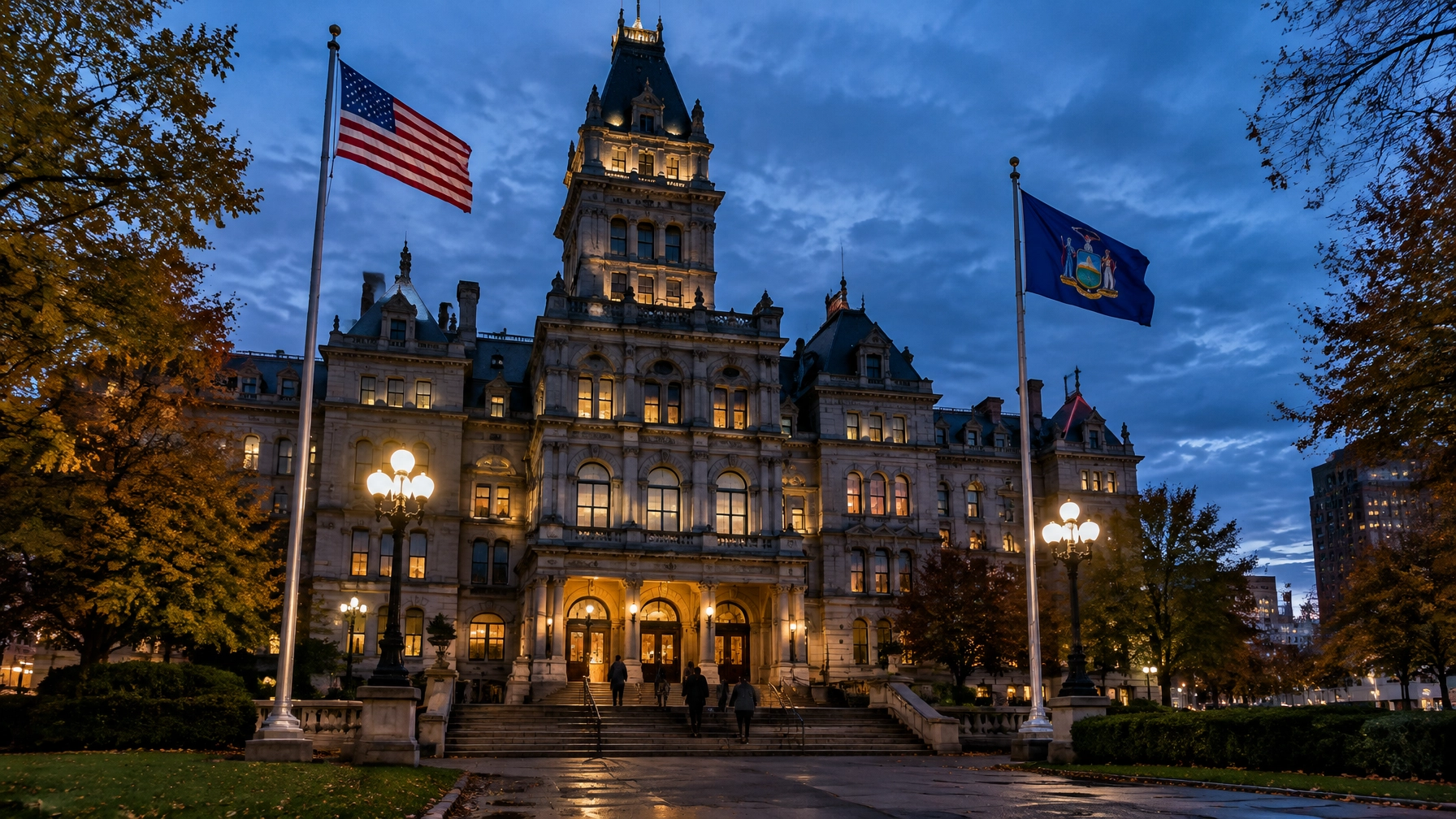
Albany Mayor Dorcey L. Applyrs and the Common Council have opened public discussions over a proposed 2027 budget that would raise the city property-tax levy by 15%, add a half-percentage-point sales tax, and rely on spending reductions and state assistance to close a projected $35 million gap.
The plan remains a proposal rather than an adopted budget, and council members are pressing the administration to correct errors and provide clearer financial information before considering a final vote.
Albany faces a major budget shortfall
The proposed General Fund budget totals approximately $257.5 million within a broader city spending plan of roughly $355 million, according to the administration’s budget materials.
Officials say Albany’s financial pressure stems from rising health care, pension, overtime and labor costs, along with higher debt-service obligations and years of optimistic revenue and expenditure assumptions. The city also carries a large tax-exempt property base, limiting the amount of taxable real estate available to support municipal services.
The administration has described the 2027 gap as part of a broader fiscal crisis. Albany ended 2025 with a reported $19.2 million deficit and no remaining available fund balance, while a midyear financial update projected a $22.2 million operating deficit for 2026 and a $35 million shortfall for 2027 before corrective action.
Applyrs’ proposal combines approximately $9.1 million in spending reductions with new revenue measures, higher or expanded departmental fees, and state support. The city is also counting on approximately $20 million in additional state aid for 2027, with another $20 million anticipated for 2028.
The administration has framed the package as an effort to preserve core services, including public safety, public works, recreation and neighborhood programs, while rebuilding the city’s financial foundation.
The proposed budget follows significant state investment in Albany, including funding connected to downtown redevelopment and infrastructure initiatives. New York News Daily previously reported on Albany’s first $18.6 million allocation from a larger state investment.
What the proposed tax increases would mean
The centerpiece of the plan is a 15% increase in the city’s property-tax levy, expected to raise approximately $9.646 million.
A levy increase applies to the total amount the city collects through property taxes, but the effect on individual taxpayers can vary depending on property assessments, exemptions, shifts in the tax base and the final budget adopted by the Council.
City estimates presented during the budget process suggest that a typical $250,000 owner-occupied home could see an annual increase of approximately $280, or about $23 per month. A $500,000 non-homestead property could face an estimated annual increase of approximately $820.
Those figures are estimates rather than final bills. Property owners would need to review their assessment and exemptions to determine their specific impact.
The proposal also calls for a new 0.5% city sales tax. Albany currently collects an 8% sales tax shared among the state, Albany County and the city. The proposed increase would add five cents to a $10 taxable purchase and 50 cents to a $100 taxable purchase.
The administration estimates that the new sales-tax revenue could generate up to approximately $5.25 million in 2027, with greater revenue in later years. The measure would spread part of the burden beyond city property owners by collecting revenue from residents, commuters, visitors and businesses making taxable purchases in Albany.
That approach has become a central point in the debate over fairness. Property owners would carry the direct effect of the levy increase, while the sales tax would reach people who work, shop or spend time in the city without owning real estate there.
The proposal also includes a $180-per-unit annual curbside waste collection fee for 2027, placed on the January property-tax bill. A two-unit property would face a $360 charge, while a four-unit property would face a $720 charge, separate from the proposed levy increase.
Council questions errors in the budget materials
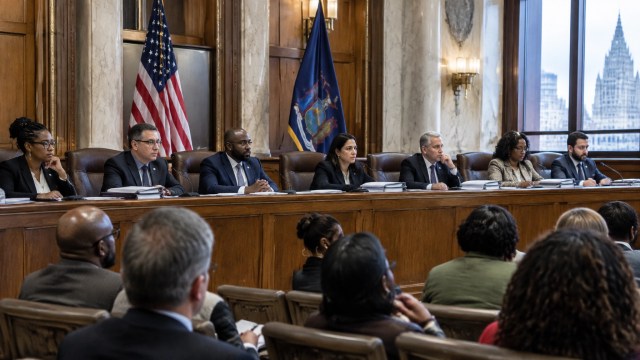
Council scrutiny intensified during a Finance Committee review in early October, when members questioned errors and inconsistencies in the administration’s materials.
Members identified accounting problems and an inaccurate expenditure total in the documents presented for review. Budget staff also acknowledged that some proposed reductions were not legally permissible and required correction.
Administration representatives attributed the errors to the city’s transition to a new financial software system. Corrected materials were distributed shortly before the meeting, leaving council members with limited time to review the revisions before questioning the budget team.
The timing drew criticism because the Council is being asked to evaluate a major tax increase while also determining whether the underlying numbers are complete and accurate.
Finance Committee Chair Meghan Keegan said the late corrections made it difficult for members to analyze the proposal fully. Councilmember Deidre Brodie questioned assumptions tied to projected new revenue, while Councilmember Alfredo Balarin raised doubts about whether the Council could assemble the votes needed to approve a levy increase above the usual tax cap.
The errors do not necessarily determine whether the budget can be repaired, but they have increased pressure on the administration to provide a reliable accounting of proposed cuts, projected revenues and legal requirements.
For taxpayers, the dispute matters because errors in a proposed budget can affect more than presentation. Incorrect totals or impermissible reductions could change the size of the gap, the amount of revenue required, or the services placed at risk if a proposed cut cannot legally be implemented.
The tax-cap question adds another hurdle
The proposed 15% levy increase is expected to exceed the standard property-tax cap, meaning the Common Council would need to approve a cap override for the increase to move forward in its current form.
Albany’s Council has 15 members, and at least nine would need to support the override. That threshold creates a significant political challenge, particularly as members continue reviewing corrected budget documents and weighing the effects on homeowners, landlords and businesses.
A failure to secure the required vote could force the administration and Council to identify another combination of cuts, fees, state support or alternative revenue. The city could also consider a smaller levy increase, although that would leave a larger gap to close elsewhere in the spending plan.
The Council’s decision will therefore involve both arithmetic and policy. Members must determine whether the proposed revenue measures are realistic, whether the reductions protect essential services, and whether the final plan provides enough stability to avoid another structural deficit.
Public engagement moves into neighborhoods
Applyrs’ administration and the Common Council have begun a series of public engagement opportunities intended to give residents more information and allow them to comment before the budget is finalized.
The administration’s schedule includes community sessions in Albany West on Oct. 9, Pine Hills on Oct. 15, Upper Washington on Oct. 20 and Center Square on Oct. 22. A virtual South End session is scheduled for Nov. 3, followed by a North Albany meeting on Nov. 13 and another session listed for Nov. 17.
The meetings are expected to include an overview of the proposal, moderated questions and opportunities for residents to offer feedback. The administration has said the sessions are intended to bring the budget discussion directly into neighborhoods rather than limit participation to City Hall proceedings.
The Council has scheduled a formal public hearing for Oct. 19 at 7 p.m., with another hearing planned for Nov. 2. Under the current timeline, members expect to vote on a potentially amended budget by Nov. 16. The statutory deadline for approving the city budget is Nov. 30.

Residents who attend the meetings may want to focus on several practical questions: which services would be reduced, how revenue projections were calculated, whether the sales-tax increase requires additional state approval, how the levy would affect different property types, and what safeguards would prevent another deficit.
What Albany taxpayers should watch next
The next stage of the process will determine whether the administration can restore confidence in the proposal while maintaining its central financial strategy.
Council members are likely to seek corrected tables, detailed explanations of the questioned cuts, updated revenue estimates and a clearer account of how state aid would be used. They may also press for stronger reporting requirements after adoption so that actual revenues and expenses can be compared with the budget throughout 2027.
For homeowners, the most immediate concern is the estimated property-tax increase and the possibility that additional fees could appear on the same annual bill. For landlords and commercial owners, the effect could be greater depending on assessed value and property classification. For renters, higher costs could appear indirectly through rents, operating expenses or consumer prices.
The proposed sales tax would distribute some of the cost across a wider group, but it would also increase the price of taxable purchases in a city already seeking to strengthen its downtown economy and small-business base.
The Common Council has not approved the final package, and the numbers remain subject to revision. Until members resolve the identified errors and settle the tax-cap question, Albany’s 2027 budget remains a high-stakes negotiation rather than a finished fiscal plan.
For Albany residents following the latest Albany NY news, the debate will offer a decisive test of how the city balances fiscal recovery, public services and taxpayer affordability. It also stands as a closely watched example of New York politics and municipal finance in Upstate New York news, with the final outcome likely to shape city government well beyond 2027.
