

Category: Business
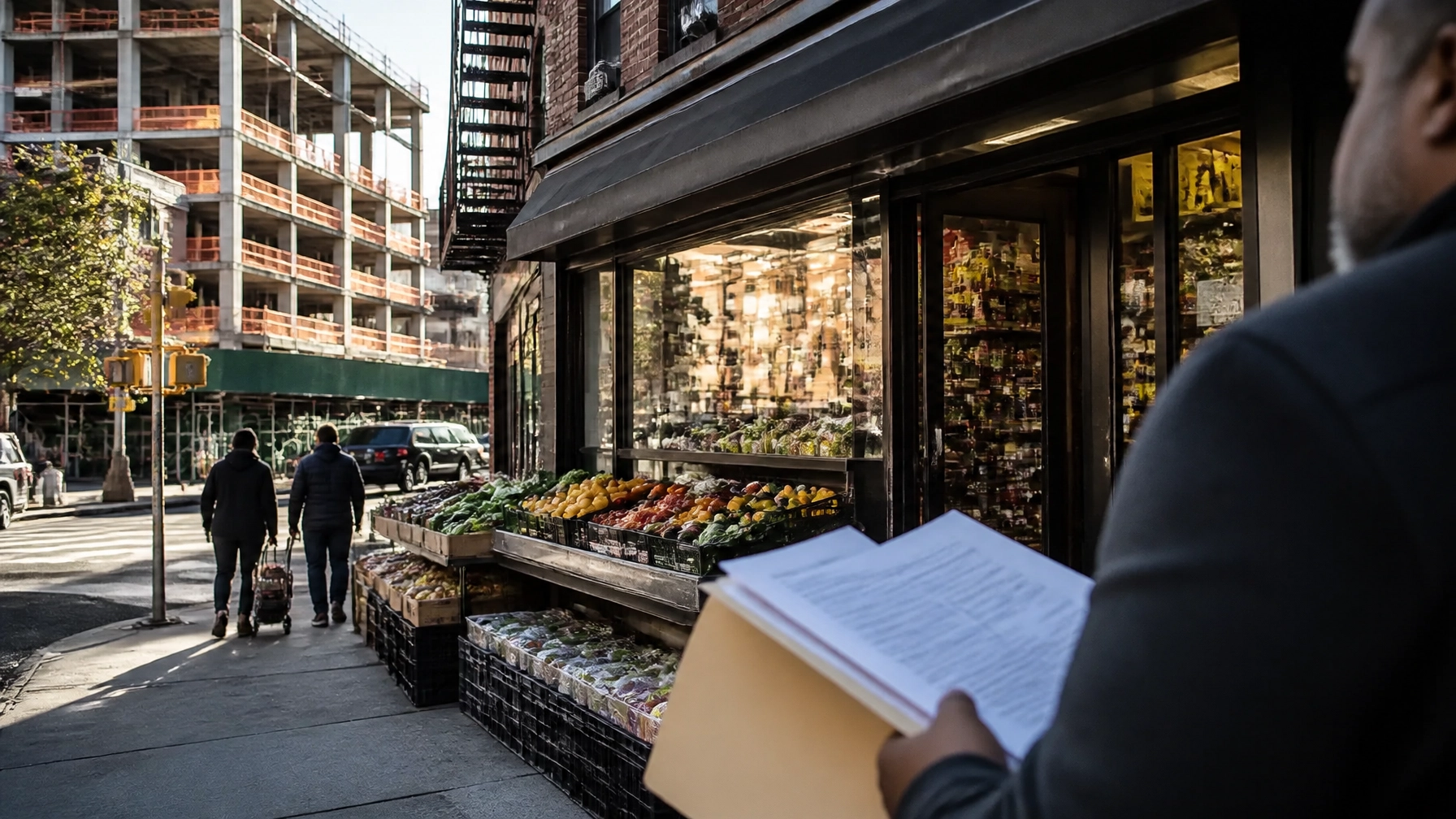
Small grocery owners are challenging Mayor Zohran Mamdani’s city-owned grocery store plan in court, arguing that taxpayer-backed supermarkets could place immigrant- and minority-owned businesses at an unfair competitive disadvantage.
The legal fight, reported by NBC New York, adds a major business dispute to Mamdani’s affordability agenda and raises questions about how far New York City can go in using public resources to compete with private retailers.
The Multicultural Business Coalition, which says it represents hundreds of small supermarkets, bodegas and grocery businesses, filed two related lawsuits in New York County Supreme Court. The group is seeking to halt the planned rollout of five municipal grocery stores, one in each borough.
The plaintiffs argue that the plan threatens neighborhood stores that already operate on narrow margins, particularly businesses owned by immigrants and members of minority communities.
What the lawsuits claim
The coalition’s first case challenges the plan on civil-rights and equal-protection grounds. According to court filings described by The Guardian and CNN, the business owners contend that the city’s proposed stores would receive public advantages unavailable to private grocers.
Those advantages could include city-owned property, free or discounted rent, publicly financed construction and relief from property-related expenses. The coalition argues that a public store receiving those benefits could sell essential products at prices that independent stores cannot match without operating at a loss.
The second lawsuit questions whether the city has the legal authority to create and operate a grocery chain under state law. It also alleges that the administration did not conduct adequate land-use, environmental or community-impact analysis before advancing the initiative.
The coalition is asking the court to stop the city from moving forward until the required studies and reviews are completed. The plaintiffs are also seeking broader relief, including a possible permanent injunction and damages through the civil-rights action.
No court has ruled on the merits of the cases, and the litigation remains in its early stages.
Why immigrant and small grocery owners oppose the plan
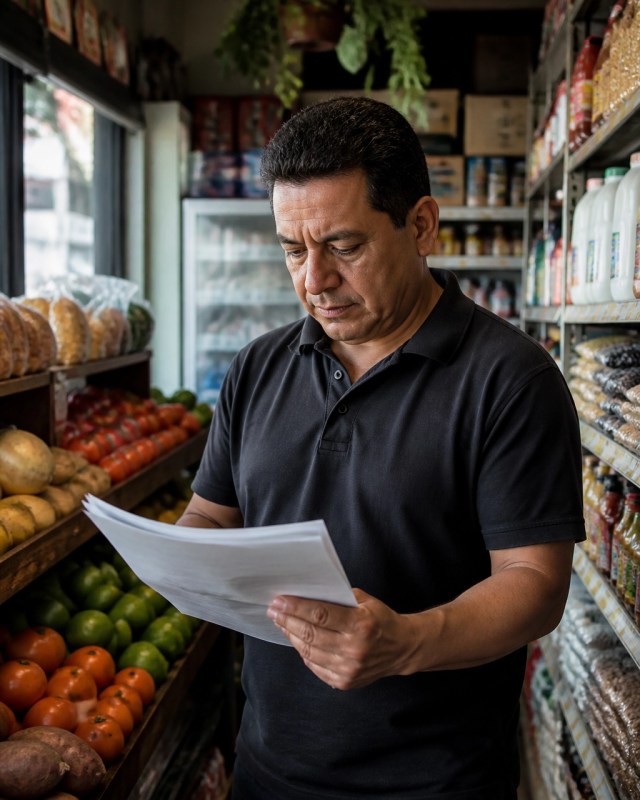
Independent grocers are not disputing the pressure facing New York shoppers. Food prices remain a central affordability concern, and many neighborhood stores serve communities where residents rely on nearby businesses for fresh produce, staple foods and culturally specific products.
Their objection centers on the structure of the proposed competition.
A small grocery store must generally cover commercial rent, utilities, payroll, insurance, maintenance, inventory costs and taxes. It must also absorb losses from spoiled goods, theft and fluctuating wholesale prices. The coalition argues that a city-owned store would not face the same cost structure if government funds cover its property, construction or overhead expenses.
That difference could become especially significant if municipal stores sell a designated group of products at prices 30% below typical retail levels. Private owners say they cannot reduce prices by the same amount while continuing to pay full operating costs.
Mark Jaffe, general counsel for the coalition and president of the Greater New York Chamber of Commerce, told CNN that small owners could not reasonably compete with a supermarket that does not pay market rent, a full electric bill or the same product costs.
The coalition has compared the proposed stores to a publicly funded big-box competitor entering immigrant business corridors. That comparison reflects the owners’ concern that even a limited number of stores could draw customers away from nearby bodegas and supermarkets, weakening the retail ecosystem that supports many local families.
For immigrant owners, the stakes extend beyond individual storefronts. Neighborhood grocery businesses often provide employment, informal credit, delivery services and trusted relationships for customers who speak the same languages or share cultural backgrounds. Owners argue that closures could reduce commercial diversity and eliminate businesses that have served their communities for years.
The lawsuits also challenge the city’s site-selection process. One proposed Manhattan location is La Marqueta in East Harlem, while the first planned store is expected at a roughly 20,000-square-foot site in Hunts Point in the Bronx.
Business owners contend that the city should have examined how each location would affect existing grocers before committing public funding and selecting sites.
What Mamdani’s grocery plan would do
Mamdani introduced the proposal as a centerpiece of his affordability platform. The city plans to create five city-owned grocery stores, with one location in each borough, and intends to make the stores accessible to all New Yorkers.
The first store is targeted for Hunts Point by the end of 2027. La Marqueta in East Harlem has also been identified as a potential Manhattan location.
The program is expected to use approximately $70 million in public funds. The city would own the land and buildings, while an outside grocery operator would manage day-to-day operations through a competitive request-for-proposals process.
That structure means the stores would be publicly owned but privately operated. The selected operator would run the markets, manage employees and maintain inventory, while following requirements established by the city.
The proposed discount would apply to a core basket of essential goods, including fresh produce, meat, seafood, dairy products and pantry staples such as milk, bread, cheese, pasta, rice and beans. City officials have said prices for the core basket could be reset monthly to remain approximately 30% below prevailing New York City retail prices.
The mayor’s office has projected that the program could reduce the average household grocery bill by roughly 15%, or approximately $90 per month. The administration says the stores would increase access to healthy food while creating a low-cost competitor in neighborhoods affected by high prices or food insecurity.
The city has pointed to existing subsidized markets on Essex Street in Manhattan and Moore Street in Brooklyn as evidence that public support for grocery retail can operate alongside nearby bodegas and independent stores.

The central business question
The lawsuit places two competing views of public intervention before the court.
Mamdani’s administration views city-owned grocery stores as a tool to address a basic cost-of-living problem. Under that argument, the government can use public property and funding to create affordable retail options where market prices remain too high.
The coalition views the same structure as subsidized competition. Under its argument, the city is not simply filling a retail gap but entering a market against businesses that cannot access the same financial support.
The outcome could influence future debates about public-private competition in New York. A decision allowing the program to proceed could strengthen the city’s ability to use public land and capital to support essential retail. A ruling against the plan could require a new legal framework, additional studies or changes to the proposed operating model.
The case could also pressure City Hall to offer more direct relief to existing grocers. The Economic Development Corporation has said it is evaluating tools such as tax abatements, incentives and zoning benefits to reduce cost pressures on local businesses.
Those measures could become part of a broader compromise if the administration seeks to preserve the grocery plan while addressing the coalition’s concerns.
What happens next
The court must first consider the coalition’s claims and the city’s response before determining whether the planned stores can continue through the development process.
The immediate legal questions include whether the city has authority to establish the stores, whether the administration completed the required reviews and whether the plaintiffs can show that the program unlawfully discriminates against private businesses.
The broader policy question is whether lower grocery prices can be achieved without undermining the small retailers that already serve New York neighborhoods.
For Manhattan businesses and residents following this dispute, the litigation will shape more than the future of one proposed supermarket at La Marqueta. It will test whether New York City can use public resources to reshape food retail while protecting the immigrant entrepreneurs and independent operators that anchor many of its commercial corridors.
As the cases move forward, New York News Daily will continue tracking the court proceedings, the city’s grocery-store procurement process and the potential impact on Manhattan’s small-business economy.
Sources
- NBC New York: Small business owners challenge Mamdani’s city-owned grocery store plan
- CNN: New York City minority business owners sue Mamdani over grocery-store plan
- The Guardian: New York business group sues Mamdani over city-owned grocery stores
- New York City Economic Development Corporation: NYC Groceries
- New York City Mayor’s Office: Grocery affordability initiative