

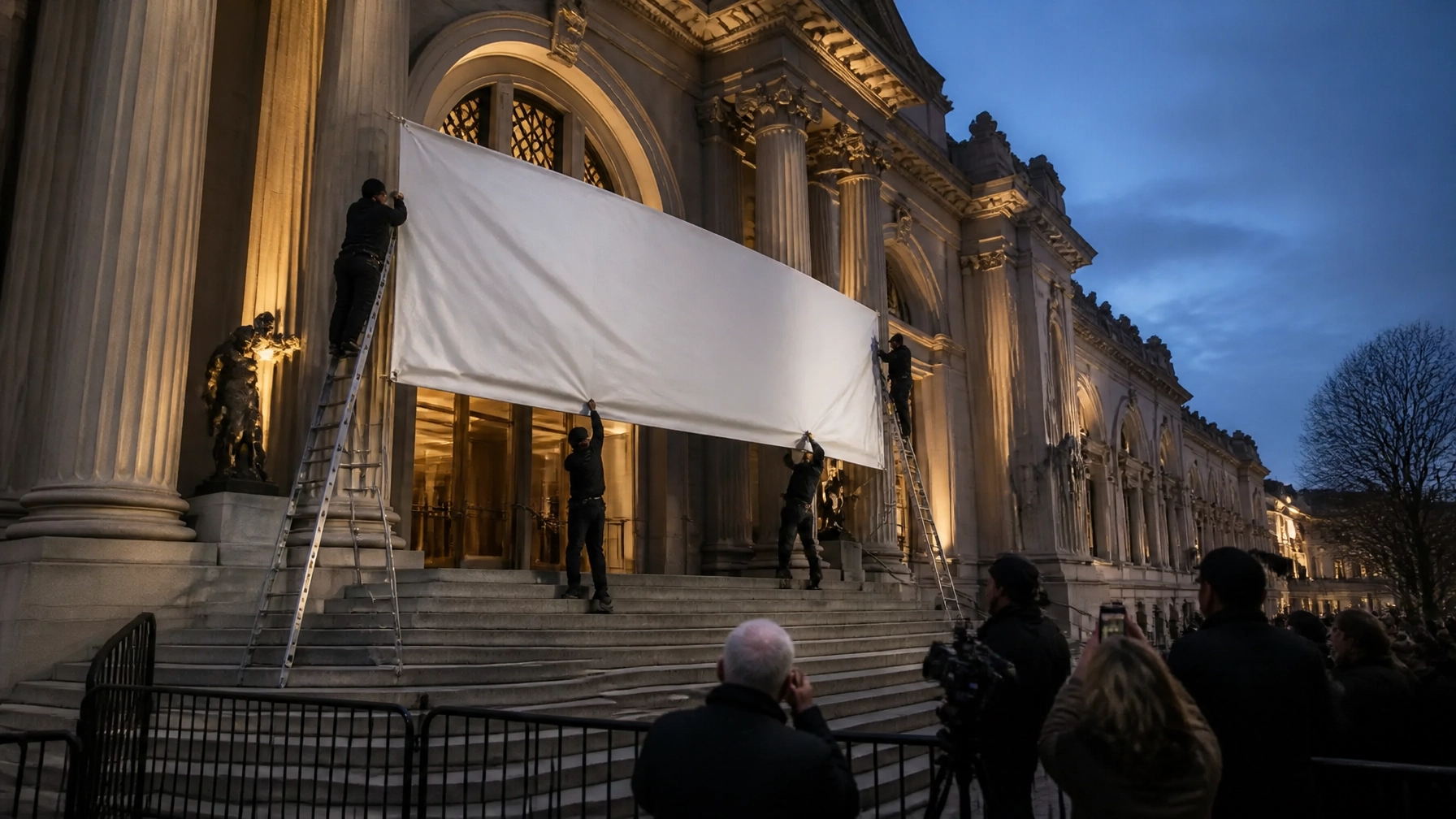
The Metropolitan Museum of Art has abandoned its planned John Galliano retrospective and the designer’s proposed 2027 Met Gala honor after renewed criticism from Jewish organizations, public officials and donors over Galliano’s history of antisemitic, racist and anti-Asian remarks.
The decision ends a high-profile project that was expected to place Galliano among the few living fashion designers to receive a solo presentation at the Met. The retrospective, titled John Galliano: Horizons, was scheduled to run from May 9, 2027, through Jan. 9, 2028, with the annual Met Gala built around its theme.
The museum and Galliano announced the cancellation on Aug. 31, with both sides describing the decision as a joint one. Met director and chief executive Max Hollein said the museum had reached the decision after “thoughtful discussions” with Galliano. The designer said he was “fully accountable” for the harm caused by his past words and that institutional recognition could not substitute for continuing responsibility.
The Met has not yet announced a replacement exhibition or a new theme for the 2027 gala.
Why the Met canceled the exhibition
The retrospective faced immediate scrutiny after its plans became public in July. Critics argued that presenting Galliano’s work in the museum’s most visible fashion platform risked honoring a designer whose public conduct had caused lasting harm, even if the exhibition intended to address that history directly.
The Costume Institute had planned to examine what the museum described as the “rupture” created by Galliano’s antisemitic, racist and anti-Asian conduct in 2010 and 2011. That framing did not satisfy opponents, who questioned whether a career retrospective could meaningfully critique Galliano while also elevating him as the central figure of the Met’s fashion calendar.
According to NPR’s reporting, the controversy intensified after the Anti-Defamation League changed its position on the proposed honor. ADL chief executive Jonathan Greenblatt had previously indicated that the organization accepted Galliano’s apology, but later said that honoring the designer while antisemitism remained at “crisis levels” was misguided.
New York City Council Speaker Julie Menin, whose mother is a Holocaust survivor, also objected to the project and criticized the timing of the proposed gala, which was expected to coincide with Holocaust Remembrance Day. The museum briefly considered moving the event, but critics said a scheduling change would not resolve the larger question of whether Galliano should be honored.
Reports also said major Met donors threatened to withdraw financial support, adding a powerful institutional and economic pressure point to the public backlash. The combination of community criticism, political pressure and donor concern made the exhibition increasingly difficult for the museum to defend.

Galliano’s fashion legacy
Galliano’s influence on modern fashion remains substantial. Known for theatrical silhouettes, elaborate historical references and dramatic runway presentations, he reshaped the possibilities of fashion show storytelling during his years at his own label and at major luxury houses.
His work at Givenchy and Christian Dior helped establish a model of fashion as spectacle, where garments, set design, music and narrative operated as one immersive production. He brought period dress, fantasy and couture craftsmanship into collections that were often designed to provoke an emotional response as much as sell clothing.
Galliano later served as creative director of Maison Margiela, where he pursued a more conceptual approach to construction, deconstruction and anonymity. His work there was frequently studied for its technical rigor and its ability to transform familiar garments into unusual, highly engineered forms.
That legacy is central to the debate surrounding the canceled exhibition. Supporters of the retrospective argued that museums should examine difficult cultural figures rather than remove them from the historical record. A carefully constructed exhibition could have shown Galliano’s achievements alongside the damage caused by his conduct, his addiction and his attempts at recovery.
Opponents countered that the Met’s platform carries a distinct prestige. A solo retrospective and Met Gala theme do not simply document a career; they confer status, shape public memory and influence the fashion industry’s understanding of whom it is prepared to celebrate.
The controversy behind the cancellation
Galliano’s career crisis began in 2011 after video emerged of him directing drunken antisemitic and racist abuse at people in Paris. He was arrested and convicted by a French court of an antisemitic hate crime.
The incident led Christian Dior to dismiss him as creative director, while his own label also removed him from its leadership. Galliano entered treatment for alcohol and drug addiction and later issued repeated apologies, including a public statement in which he said he was trying to make amends.
In his statement about the Met cancellation, Galliano specifically acknowledged the pain caused to Jewish and Asian communities. He said that meaningful atonement was not achieved through “an exhibition, institutional recognition or a single public gesture,” but through listening, learning and conduct over time.
The statement represented a notable shift from a conventional celebrity apology. Rather than arguing that his later career should erase his earlier conduct, Galliano accepted that the proposed retrospective could itself be painful for some people.
The museum’s decision, however, has not ended the argument over accountability. Some fashion commentators said the cancellation was a mistake because the Met could have used the exhibition to confront Galliano’s behavior and the industry’s response. Others said the decision demonstrated that contextualization has limits when an institution is simultaneously promoting the subject as a figure of exceptional achievement.
What the decision means for museums
The cancellation places new pressure on museums to clarify the difference between historical study and public honor.
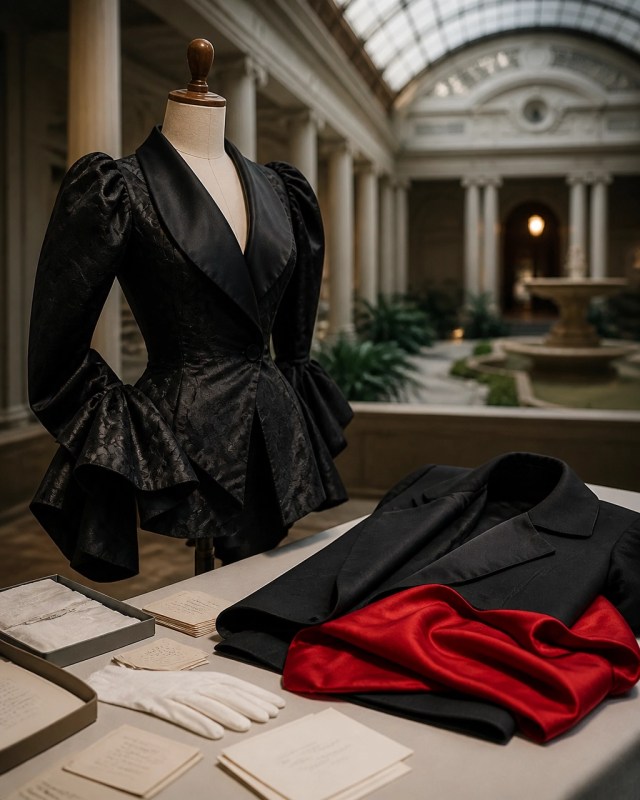
Museums routinely exhibit artists, designers and political figures whose records include serious misconduct. Their curators may attempt to provide context through archival documents, survivor testimony, critical scholarship and the perspectives of communities affected by the subject’s actions.
The Galliano case raises a more specific concern: whether a museum can provide that context while building an event around the individual’s name, image and commercial appeal. The Met Gala is not an ordinary academic conference. It is one of the world’s most influential fashion events, drawing celebrities, luxury brands, global media attention and significant philanthropic interest.
That visibility changes the institutional stakes. A retrospective may be described as critical, but the associated red carpets, sponsorships and celebrity coverage can overwhelm the nuance of the gallery experience. For critics, the risk was that the public would remember Galliano’s return to the center of fashion more clearly than the exhibition’s intended discussion of his misconduct.
The controversy also highlights the influence of donors in nonprofit cultural institutions. Donor support enables museums to maintain collections, mount exhibitions and operate educational programs, but financial pressure can affect which projects survive public scrutiny. In this case, reported threats to withdraw gifts became part of a broader debate over who gets to shape a museum’s cultural agenda.

What comes next for the Met Gala
The Met now faces the challenge of replacing one of the most anticipated fashion exhibitions in its schedule. The museum has said that details about a new spring 2027 Costume Institute exhibition and a new Met Gala honoree will be announced later.
The replacement will likely be judged not only on its creative appeal but also on the process used to select it. After the Galliano controversy, museum audiences and fashion professionals may expect greater transparency around how the Costume Institute evaluates a designer’s public record, how affected communities are consulted and how exhibitions distinguish critique from celebration.
The decision also arrives as museums and fashion houses respond to changing expectations among younger audiences. For many New Yorkers following NYC fashion trends and broader NYC lifestyle news, questions of representation, labor, identity and accountability now sit alongside questions of design and luxury.
Galliano’s influence on fashion will remain part of the historical record, regardless of whether the Met presents his work. The canceled retrospective leaves that legacy unresolved in New York’s most prominent fashion institution, while forcing museums to confront a difficult question: when does studying a powerful creative figure become indistinguishable from restoring that figure’s prestige?