

A visa is an ordinary-looking document with an unusual amount of power. It can determine where someone lives, when they have to leave, whether a family stays together, and how much of the future remains within their control.
That tension is at the center of November Visa, the third and final installment of director Wang Ziqi’s anthology series New York Stories.
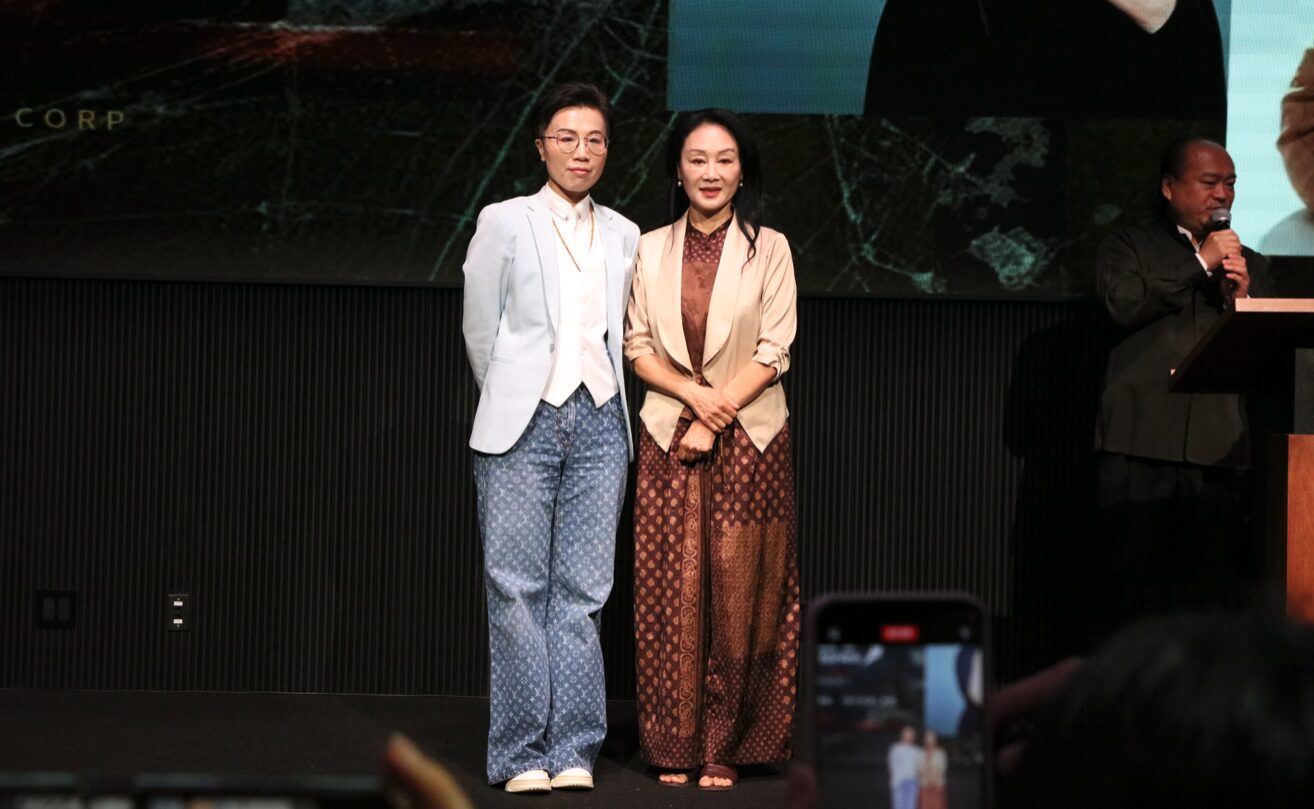
The production began its New York chapter with a press conference on August 11, 2026, bringing together members of the creative team and invited community figures ahead of filming across the city. The film uses the visa not simply as a plot device, but as a pressure point around which questions of family, identity, uncertainty, and belonging begin to develop.
November Visa continues the broader focus of New York Stories, which follows overseas Chinese characters navigating life between cultures and making personal decisions within circumstances they do not entirely control.
One of the more interesting elements of the project is the casting of Wang Ji in the lead role.
Wang became closely associated with A Native of Beijing in New York, a landmark work centered on the overseas Chinese experience. Her appearance here creates a natural connection between an earlier generation of immigrant storytelling and the circumstances surrounding migration today.
New York has changed. China has changed. Immigration itself has changed.
But the emotional questions surrounding migration are more persistent.
Where is home after a person has built a life somewhere else? What happens when family obligation and personal opportunity begin pulling in opposite directions? And what does belonging mean when a legal document can suddenly place a deadline on the life someone has created?
These questions are more interesting than the visa itself.
Director Wang Ziqi has said that filming will move between recognizable New York locations and local neighborhoods. That choice could prove important. A story like this does not necessarily need New York as spectacle. It needs New York as a lived environment.
The city has always been filled with people whose identities exist in more than one place at once. They work here, raise families here, build communities here, and still remain connected to histories and obligations somewhere else.
That makes New York particularly suited to a story about people caught between movement and permanence.
Li Hua, President of the American Fujian Chinese Association, attended the press conference as a special guest and described the New York Stories series as a cultural bridge between East and West, emphasizing its attention to the experiences and resilience of overseas Chinese communities.
There is always a danger with films built around large subjects such as immigration, identity, and cultural displacement that the ideas become larger than the characters themselves.
The strength of November Visa will ultimately depend on whether those larger themes remain grounded in individual lives.
For now, its most compelling idea is also its simplest.
A visa may be bureaucracy on paper.
For the person holding it, it can determine whether they stay, leave, wait, separate from someone they love, or begin again somewhere else.
That is where November Visa appears to be looking for its story.


Image courtesy of Andy Chen