

Albany just made a bold move, and depending on who you ask, it’s either a smart investment in the city’s future or a pricey gamble.
The city’s Industrial Development Agency has approved nearly $7.4 million in tax breaks for three real estate projects that promise to reshape Albany’s housing landscape. In exchange, developers are set to deliver 204 new apartments, part of a larger push to bring life back into the city’s core.
On the surface, it’s progress. But underneath, it’s the kind of deal that always raises eyebrows, public incentives now, long-term payoff later.
The biggest project on the table is a $26.5 million overhaul of a 10-story office building at 54 State Street. Developer Ryan Jankow plans to convert the space into a mixed-use property with 120 apartments, while keeping a bank and coffee shop on the ground floor. It’s a clear signal of where Albany is headed, fewer empty offices, more people actually living downtown.
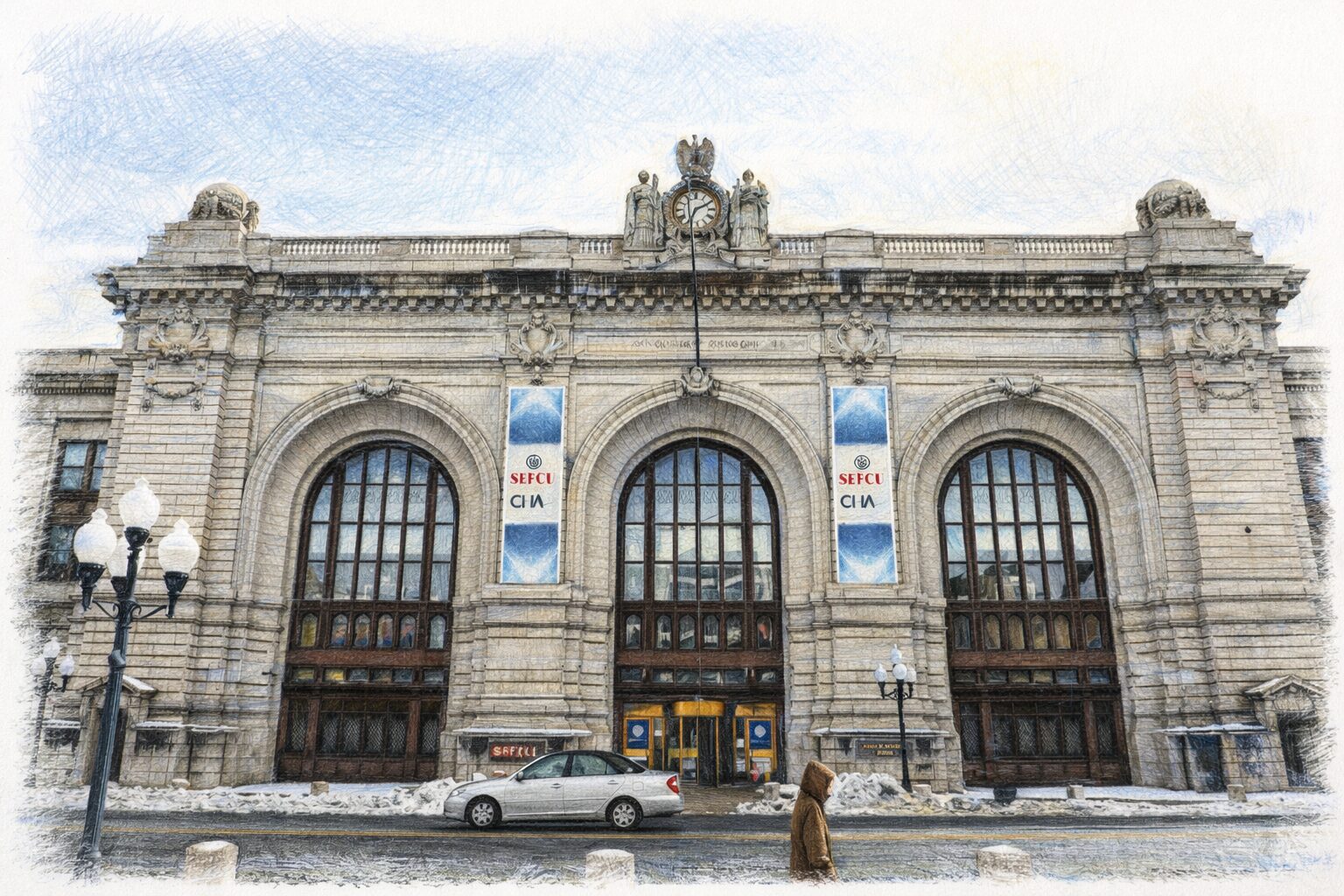
Then there’s Kiernan Plaza, a building with history that’s been waiting for a real comeback. Once known as Union Station, it’s now set for an $18.6 million redevelopment by Redburn Development Partners. The plan includes 50 apartments and commercial space, along with a return to its original name, a nod to its roots and a push to reestablish its identity.
The third project may not grab headlines, but it hits just as hard where it matters. A vacant building on Ontario Street, in an area the city considers blighted, will be transformed into a three-story apartment complex with 34 units. Local developer Patrick Chiou is investing nearly $4.8 million into the project, aiming to breathe life into a neighborhood that’s long overdue for reinvestment.
Altogether, these developments represent close to $50 million in investment. But the real conversation starts when you look at the incentives. Between tax exemptions and long-term property tax deals, developers are set to save roughly $7.4 million over time.
Supporters argue this is exactly what Albany needs. More housing, more activity, and a stronger downtown that actually feels alive. City officials have made it clear, the goal is to triple the number of residents living downtown and attract more than 2,300 new people by 2035.
But critics aren’t sold.
They’re asking a simple question, how much should taxpayers be expected to give up to make private development happen?
Because this isn’t just about new apartments. It’s about priorities. It’s about who benefits first, and who waits.
Albany is clearly betting on growth. The cranes, the conversions, the big promises, it’s all pointing in one direction.
Now the only question is whether this investment actually delivers, or if it becomes another story of potential that never quite cashes in.